













Librabet Casino Review Bonus Italy

Practical overview for adult users in Italy who want to evaluate payments, mobile use, support, and account management.

Fortune Gems 2 Slot

Table of Contents

  • The Dog House Megaways Slot
  • Lucky Joker 10 Extra Gifts Slot
  • Sword of Ares Slot
  • Floating Dragon Hold & Spin Slot
  • Leprechaun Riches Slot
  • Fruit Cocktail Slot
  • The Dog House Megaways Slot
  • Sword of Ares Slot
  • Fruit Million Slot
  • The Dog House Megaways Slot
  • Big Fisherman Slot
  • Big Fisherman Slot
  • Seven Books Unlimited Slot
  • Librabet Casino Fortune Slot
  • Sword of Ares Slot
  • Floating Dragon Hold & Spin Slot
  • 9 Mad Hats Slot
  • Floating Dragon Hold & Spin Slot
  • Big Bass Splash Slot

Come Valutare Una Piattaforma Nel 2026

Nel 2026 una piattaforma di gioco non si giudica solo dalla home. Si giudica dal modo in cui accompagna azioni piccole e ripetute: accesso, controllo del saldo, ricerca di una categoria, deposito, cronologia e uscita dalla sessione. Se questi passaggi sono chiari, l’esperienza quotidiana tende a essere più ordinata. Se sono confusi, anche una visita di pochi minuti diventa stancante.
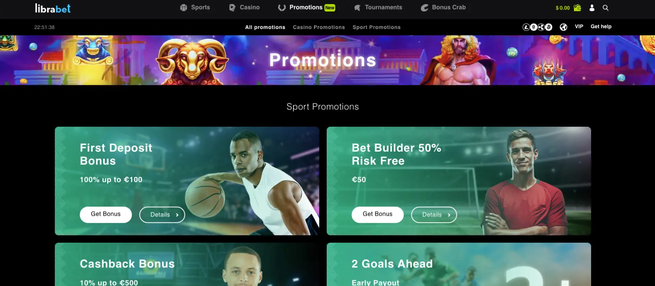
Reviews 1

Imagine a normal evening. You have little time, you open your account from your phone and you just want to see the balance, enter a section and stop without losing the thread. At that moment, slogans don't matter. What matters is understanding immediately where to tap, where to go back, and where to check what you just did.

Many users confuse initial impression and real quality. Clean graphics can make a good impression in the first thirty seconds, but the real relationship with your account begins when you have to manage money, time, and habits. For this reason, a serious evaluation starts from the user's journey, not from the cover.

What to Look at in the First Ten Minutes

In the first ten minutes, it's worth doing a simple test: open your profile, find the history, identify personal limits, and check where support is located. Imagine completing the registration and not wanting to play yet. If you can find these areas without aimlessly wandering, the foundation is solid. If, on the other hand, everything seems scattered or too hidden, the difficulty will likely return later.

How to Distinguish Curiosity from Real Use

Curiosity drives you to click. Real use forces you to understand. At first, many users move by instinct, open a category, look at an offer, change screens. But when the account truly becomes part of the routine, the things that matter change: reviewing transactions, checking the wallet, stopping in time, contacting support clearly.

Imagine a user who comes in tired after work. They don't want to explore every corner of the platform; they want to orient themselves quickly. If the product makes normal actions easy, then the first impression is confirmed. If, on the other hand, it complicates them, the initial curiosity quickly gives way to fatigue.

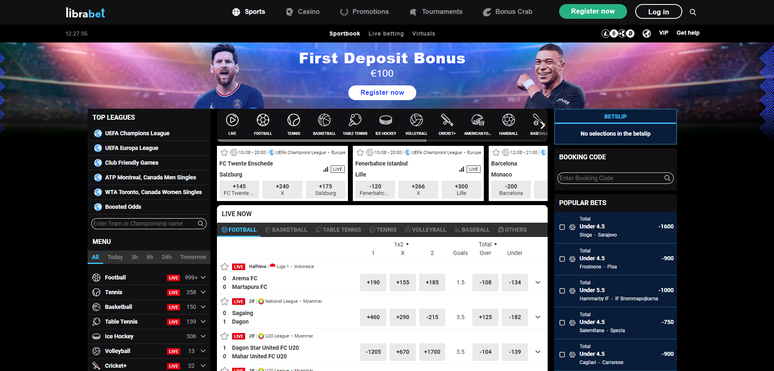
customer feedback 2

Registration, Profile & First Login

Registration should not feel like a race. For adult users in Italy, in compliance with applicable regulations, the healthiest sequence is very simple: create the account, check the details, strengthen the login, and calmly decide whether or not to make a first deposit. When this order is respected, the player feels in control from the start.

Imagine opening the platform in the evening just to prepare for the weekend. You don't want to start a full session. You want to fix your profile, understand where the main functions are, and close without rushing. A mature product accompanies you in this. A less organized one tries to push you too quickly to the next step.

Even daily access counts more than it seems. Some people log in once a day, others multiple times: once to check the balance, once for a short session, once to check a transaction. If each return is readable, the account remains light. If each login feels like a small hassle, the annoyance accumulates and affects how the user decides.

How to Prepare Your Account Before Your First Deposit

Before moving money, it's best to sort out three things: an updated profile, a strong password, and a clear understanding of where the control tools are. Imagine depositing immediately out of curiosity and only later realizing you don't know where to set a limit or how to suspend activity for a period. At that moment, you're not calmly preparing for a session; you're rushing to correct mistakes.

3 reviews

Payments, Withdrawals, and Balance Check

Il cashier è una delle aree che raccontano meglio la qualità reale del prodotto. Qui non bastano una grafica elegante o una promessa generica. Serve capire il metodo scelto, l’importo, la conferma finale, l’aggiornamento del saldo e lo stato delle richieste. Se il flusso è pulito, l’utente sente di poter seguire tutto. Se è opaco, anche un’operazione semplice lascia più tensione del necessario.

Immagina una scena comune. Entri con una cifra moderata, giochi un po’ e poi decidi di fermarti quando sei ancora tranquillo. In quel momento non vuoi altri stimoli. Vuoi vedere che cosa hai fatto, quanto resta e che strada hai davanti. Un cashier ben progettato aiuta proprio qui, nel passaggio tra gioco e decisione.

Molti errori nascono da una sequenza sbagliata. Prima arriva la fretta, poi il deposito, e solo dopo la verifica. La sequenza più sana è l’opposto: prima si decide il budget, poi si apre il cashier, poi si conferma una sola volta e infine si ricontrolla il saldo. È un gesto semplice, ma separa la decisione economica dall’impulso del momento.

Anche il prelievo va letto nello stesso modo. Più che una promessa assoluta di rapidità, ciò che tranquillizza davvero è la visibilità. Se l’utente vede quando ha fatto la richiesta, quale cifra risulta e in quale stato si trova, l’attesa si gestisce meglio. Quando sale la chiarezza, spesso scende anche la voglia di ripetere gesti inutili per nervosismo.

Area

What to Check

Perché È Utile

Cashier

Metodo, importo e conferma finale

Riduce errori fatti di fretta

History

Data, cifra e stato

Aiuta a seguire ogni movimento

Profile

Dati personali e impostazioni

Previene problemi evitabili

Limits

Tetto giornaliero, settimanale o pausa

Rafforza il controllo della spesa

Support

Canale di contatto e contesto

Favorisce risposte più precise

Cosa Fare Prima Di Richiedere Un Prelievo

Prima di inviare una richiesta conviene rileggere il profilo, controllare la cronologia recente e verificare se esistono passaggi già in corso. Immagina di finire una sessione e di voler chiudere tutto velocemente. Se mandi la richiesta senza guardare altro, ogni dubbio successivo pesa di più. Se invece ti prendi un minuto per controllare data, importo e dati del conto, il processo diventa più leggibile e molto meno nervoso.

Catalogo, Ritmo E Scelta Dei Giochi

Un catalogo ampio serve a poco se non aiuta a scegliere bene. Il punto non è soltanto quante opzioni compaiono, ma come sono distribuite e quanto rapidamente permettono di trovare qualcosa adatto al tempo, al budget e allo stato mentale del momento. Ci sono giornate da cinque minuti e giornate da mezz’ora. Una piattaforma utile rende visibile questa differenza invece di lasciare tutto sullo stesso piano.

Immagina di avere venti minuti liberi. Non hai bisogno di esplorare ogni categoria. Hai bisogno di trovare una direzione sensata, senza sprecare metà del tempo a cercare. Filtri chiari, contenuti recenti e preferiti facilmente accessibili aiutano molto più di un catalogo enorme ma caotico.

Conta anche il ritmo personale. Quando un utente entra stanco, da mobile, tende a leggere meno e a cliccare di più. Proprio per questo la chiarezza del catalogo non è una questione estetica. È una funzione che aiuta a mantenere il controllo della sessione prima ancora di parlare di denaro.

Librabet Casino Review E Uso Quotidiano

The most serious test of a platform doesn't come during a long, occasional visit. It comes in the routine. Logging in two or three times a day, checking the balance, opening a short session, reviewing history, and logging out without confusion is what defines the real relationship with the account. If these steps remain simple, the product holds up well over time.

Imagine a normal week. One day you log in just to see the balance. The next day you have a fifteen-minute session. Later you check if a transaction was recorded. If each visit remains light, the overall experience improves. If each login requires too much attention, even a feature-rich platform becomes burdensome.

Here also emerges the difference between an interesting product and a practical product. The former can impress with some feature or strong graphics. The latter allows you to do normal things without unnecessary friction. In the long run, almost always, it's the latter that counts more.

When Mobile Truly Helps

The phone truly helps when it accompanies the user's real rhythm. Imagine a short break during the day, or an evening login from the couch. In these scenarios, mobile works well if it immediately shows balance, categories, and history, and if it also makes exiting easy. When, however, it forces too many steps, quick access loses much of its advantage.

Signs That the Session Is Losing Order

There are small but important signs: changing sections without a clear reason, increasing the initial budget, returning shortly after leaving, or checking the balance nervously. Imagine closing the session and reopening it half an hour later out of habit. At that moment, a short break or a time limit can be more useful than another random attempt to restore order while the impulse is still active.

Support, Security, and Control Tools

Support is better judged on small problems than on big slogans. A message that doesn't arrive, a transaction you don't remember, a frozen screen, or a pending request tell much more about the quality of support than any promotional phrase. The real question is whether the support understands the context and asks for truly useful information.

Imagine seeing a figure in your history that doesn't convince you. The least useful choice is to keep playing, hoping the doubt disappears on its own. The most useful choice is to stop, note the time, amount, and section, and then write a brief message. The more orderly the case arrives, the more likely the answer will be precise.

Account security, however, doesn't just depend on the platform. It also depends on user habits: strong password, updated profile, attention to shared devices, and regular history checks. These behaviors seem trivial, but they reduce many problems before support even needs to intervene.

How to Write to Support Without Wasting Time

Before contacting support, it's advisable to gather four elements: approximate time, amount involved, section where the problem appeared, and any visible message. Imagine writing without these details. The conversation drags on because support has to reconstruct the context. If, instead, you arrive with a brief and precise summary, problem management becomes much simpler.

Why Breaks and Limits Should Be Sought Immediately

Many users seek limits and breaks only after an uncomfortable session. It's a common mistake. Imagine starting with the idea of staying for a few minutes and realizing later that time and budget have already changed. If limits were already set, the platform helps you. If you didn't even know where to find them, the correction comes too late. Control tools work better as prevention than as repair.

Conclusion for Adult Users in Italy

A serious evaluation doesn't end with a hasty yes or no. It ends when the user can answer concrete questions: is the account easy to use? Is the cashier clear? Is the history truly useful? Does support respond with context? Does mobile support short sessions without creating confusion? If these answers are clear, then the evaluation has a real basis.

Imagine comparing two platforms during a normal week. In one, you log in, orient yourself, check your balance, have a short session, and log out without tension. In the other, every simple action requires more steps and leaves small uncertainties. It is precisely this practical difference, more than any promise, that decides whether a product is worth time, attention, and money.

FAQ

The most useful way is to do a concrete test and not stop at the first impression. Look for balance, history, profile, limits, and support before you even start playing. If you find these functions without too many detours, the foundation is good. If, however, you already have to interpret unclear menus or open too many screens at the beginning, it's likely that daily use will also be more burdensome than expected.

Before depositing, it's useful to verify that the profile data is correct, that the password is strong, and that the personal control tools are clearly visible. It's also advisable to decide on the budget before opening the cashier. This order reduces many errors due to haste. If, instead, you deposit immediately, every subsequent doubt feels stronger and is managed worse.

Because it transforms vague feelings into concrete facts. Many users believe they remember precisely how much they spent, how long they were online, or if they already made a certain request, but the history often tells a more accurate story. Consulting it regularly helps to understand the account, read habits, and better explain any doubts to support.

It makes sense as soon as signs you don't like appear. Logging in too many times in the same day, increasing the initial budget, or extending sessions that were supposed to be short are already sufficient indicators. These tools work better as prevention than as a late remedy. If you use them early, you interrupt an automatic behavior before it becomes a real habit.

It depends on how you actually manage the platform. Mobile is often more convenient for quick checks, balance, and short sessions. The computer can be more useful if you want to explore more calmly and see more elements together. The right question is not which device is absolutely better, but which one helps you make clearer decisions and maintain better control.

The most useful details are almost always the most concrete: approximate time, amount involved, section where you saw the problem, and any on-screen message. With these elements, support understands much faster what happened. A long but confusing message often slows down the solution. A brief and precise summary, however, makes everything more manageable.

Di solito i segnali arrivano prima del problema vero e proprio. Cominci a cambiare sezione senza un motivo chiaro, controlli il saldo con nervosismo, aumenti il budget iniziale o rientri poco dopo essere uscito. Se ti riconosci in uno di questi comportamenti, fermarti è quasi sempre la scelta più utile. Chiudere, rivedere la cronologia o attivare una pausa breve restituisce molto più controllo che cercare di correggere tutto nel mezzo della sessione.

EN